
"Latin America coffee beans"
700 article(s) found

Description of characteristics and flavor of Latin American coffee beans regional varieties produced by taste treatment
Flavor description of Latin American coffee beans wild (wild): describe coffee with extreme taste characteristics that remind you of the vast grasslands of Africa. Sweet: it is a commonly used adjective to describe coffee without sharp flavor. Strong (strong): in popular usage, strong describes deep baking.

Latin American coffee flavor Latin American coffee taste
In 1721, French naval officer Gabriel Mathieu de Clieu went through difficulties and obstacles to bring the first coffee sapling from Africa to the Latin American island of Martinique, which was the origin of coffee cultivation in Latin America. Because France was under the Bourbon dynasty, there was another time for Arabica coffee grown in Latin America.
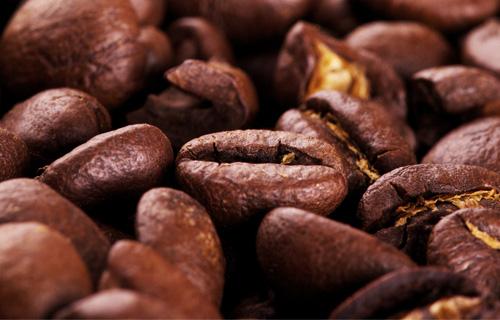
Introduction of Latin American coffee varieties and characteristics of Latin American coffee
Following Cafe (official Wechat account vdailycom) found that Beautiful Cafe opened a small shop of its own. The unique rainforest environment in some parts of Bolivia provides excellent natural conditions for the growth of organic coffee. The aroma of Bolivian coffee is rich and unique, whether it is the aroma of ground beans or the aroma of coffee, which is similar to that of flowers and flowers.
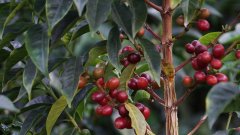
What are the boutique coffee producing areas in Latin America
Latin American coffee beans (Central and South America) Brazil: Santos, Bahia, Cerrado, Mogiana Mexico: Coatepec, Huatusco, Orizaba, Maragogype, Tapanchula, Vestra

Introduction to the story of the flavor description of the roast degree of coffee beans in Latin America
Latin American coffee beans characteristic roasting degree flavor description before the introduction to the growth conditions are relatively high, and more delicate, but of good quality, containing 1% of the unit weight of caffeine. The latter is much stronger than the strong, with low environmental requirements, low altitude, cold resistance and even can prevent their own virus, but the taste is more astringent, the coffee contained.

Mexican Coffee Latin American Coffee Flavor from Vevetnango, Guatemala
In 1721, French naval officer Gabriel Mathieu de Clieu went through difficulties and obstacles to bring the first coffee sapling from Africa to the Latin American island of Martinique, which was the origin of coffee cultivation in Latin America. Because France was under the Bourbon dynasty, there was another time for Arabica coffee grown in Latin America.

Characteristics of coffee bean varieties in three major coffee producing areas of Latin America
Professional coffee knowledge exchange more coffee bean information please follow the coffee workshop (Wechat official account cafe_style) appreciation of coffee trees from various coffee bean producing areas of the world is a genus of Rubiaceae in botany. Coffee trees are native to subtropical Africa and some islands in southern Asia. In the 16th and 17th centuries, through the merchants of Venice and maritime hegemony

What kind of Latin American coffee do you have? Introduction to Starbucks Honduran Coffee Wash Makala Coffee
Professional coffee knowledge exchange more coffee bean information please follow the coffee workshop (Wechat official account cafe_style) the refreshing and lively acidity of Latin America, with nutty, cocoa and soft spice flavors. Honduras is a very beautiful country and occupies an important position in the history of Central America. Until around 900 AD, the ancient city of Copan Maya

Description of Latin American coffee flavor, introduction of Latin American coffee
The characteristics of the flavor of Central and South America: balanced, moderately sour and mellow Central and South America is the world's largest coffee producing area, where there are numerous boutique coffees. Take Colombia, Guatemala or Brazil as an example, good coffee is enough to make people dazzling. What is the resource advantage that makes Central and South America so good? French naval officer Gabriel Ma in 1721
Flavor description of Arabica coffee beans in Latin America introduction to the regional treatment of manor production
Flavor description of Arabica coffee beans in Latin America the planting of coffee trees is only the first step in coffee production. When the coffee fruits are ripe, they can be harvested through picking equipment. Two seeds (Arabica coffee beans) are then extracted from each berry. The last step is to roast coffee beans for consumption. This removes moisture and changes coffee.

Introduction of taste varieties of Latin American coffee beans with unique flavor
The characteristics of Latin American coffee beans the coffee beans produced in the high latitudes of Costa Rica are famous in the world, full-bodied, mild in taste, but extremely sour. The coffee beans here have been carefully processed, which is why they have high quality coffee. Located in the south of SanJos, the capital of Tarasu, Costa Rica is one of the most valued coffee growers in the country.

Introduction to the price characteristics, flavor description, quality grinding scale of Arabica coffee beans in Latin America
Price characteristics, flavor description, quality grinding scale of Arabica coffee beans in Latin America The Coffee Bean Tea Leaf, a coffee brand born in Southern California in 1963, is purchased only from small farms growing at 6000 feet above sea level and private plantations in East Africa, Latin America and the Pacific, and only the top 1 per cent Elaraby is selected.

Description of Flavor in Coffee Bean producing areas in Latin America introduction to Variety treatment of planting Environment
Description of the Flavor of Coffee beans in Latin America Flavor description of planting Environment Variety treatment method Brazil's coffee, banana and cassava output ranks first in the world, soybean output ranks second in the world, and cocoa output ranks third in the world. A large number of high-quality beef and mutton produced in Argentina are famous in the world. The inland rivers of Latin America are rich in freshwater fish, with more than 2500 and 3000 species. The coasts of Peru and Chile

The characteristics and flavor of Latin American coffee beans introduce how to process Latin American coffee beans.
Professional coffee knowledge exchange more coffee bean information please follow the coffee workshop (Wechat official account cafe_style) South American bean flavor: generally speaking, the flavor is relatively regular. The Brazilian coffee is mellow and full-bodied, while the Costa Rican coffee is gentle and supple, with a blend of sour, sweet and chocolate aromas. Panamanian coffee is rich in citrus and jasmine.

Introduction to the description and treatment of taste and flavor in the characteristic producing areas of coffee farms in Latin America
El Salvador aroma 4% brightness 4.5% mellow 3% flavor 4.5% aftertaste 4.5% suitable for baking degree: if City/Full city city has a preference for thick flavor, it can be roasted a little deeper. Most people think of El Salvador as a war.

Flavor characteristics of coffee beans in Latin America is the price of coffee beans expensive in Latin America
Professional coffee knowledge exchange more coffee bean information please pay attention to the coffee workshop (Wechat official account cafe_style) Latin American coffee bean flavor characteristics: balanced, moderately sour and mellow South American bean flavor: generally speaking, the flavor is relatively regular. Among them, Brazilian coffee is soft and sweet, Costa Rican coffee is mild and supple, sour, sweet and chocolate

List of famous producing areas and introduction of flavor of coffee beans in Latin America
For more information on coffee beans, please follow the coffee workshop (Wechat official account cafe_style) list of famous origin of coffee beans in Latin America Brazil: Santos, Bahia, Cerrado, Mogiana Mexico: Coatepec, Huatusco, Oreza

Flavor description of Arabica coffee beans in Latin America introduction to the country of origin of the manor
Flavor description of Arabica coffee beans in Latin America the country of origin of the manor introduced the cultivation and production of coffee in the 17th century, which has always been monopolized by Arabs and is of great value in Europe. Only upper-class people in Europe can drink coffee. Until 1690, a Dutch captain sailed to Yemen, got some coffee seedlings and began to plant successfully in Dutch India (present-day Indonesia). seventeen

The difference between African Asia-Pacific Latin American Coffee how to drink Latin American Coffee
Professional Coffee knowledge Exchange more information on coffee beans Please follow the coffee workshop (Wechat official account cafe_style) about the sixth century AD, an Arab shepherd named Kaldi secretly observed the goats while grazing and found that they had eaten the red fruit of a wild shrub under the hillside and became extremely excited. The curious Caldy picked the fruit himself and found it muddy after tasting it.

A brief introduction to the Grinding Calibration method for the description of characteristic Flavor of Coffee growing area in Latin America
A brief introduction to the Grinding scale of the characteristic Flavor description of Coffee growing areas in Latin America the cultivation and production of coffee in the 17th century has always been monopolized by Arabs and is of great value in Europe, and only the upper echelons of Europe can drink coffee. Until 1690, a Dutch captain sailed to Yemen, got some coffee seedlings, and began to plant successfully in Dutch India (now Indonesia).